A safe bedroom, a steady routine, and a loving goodbye.
Fostering is not a trial adoption. It is a calm stop between a shelter and a family, where an animal can rest and be seen for who it is.
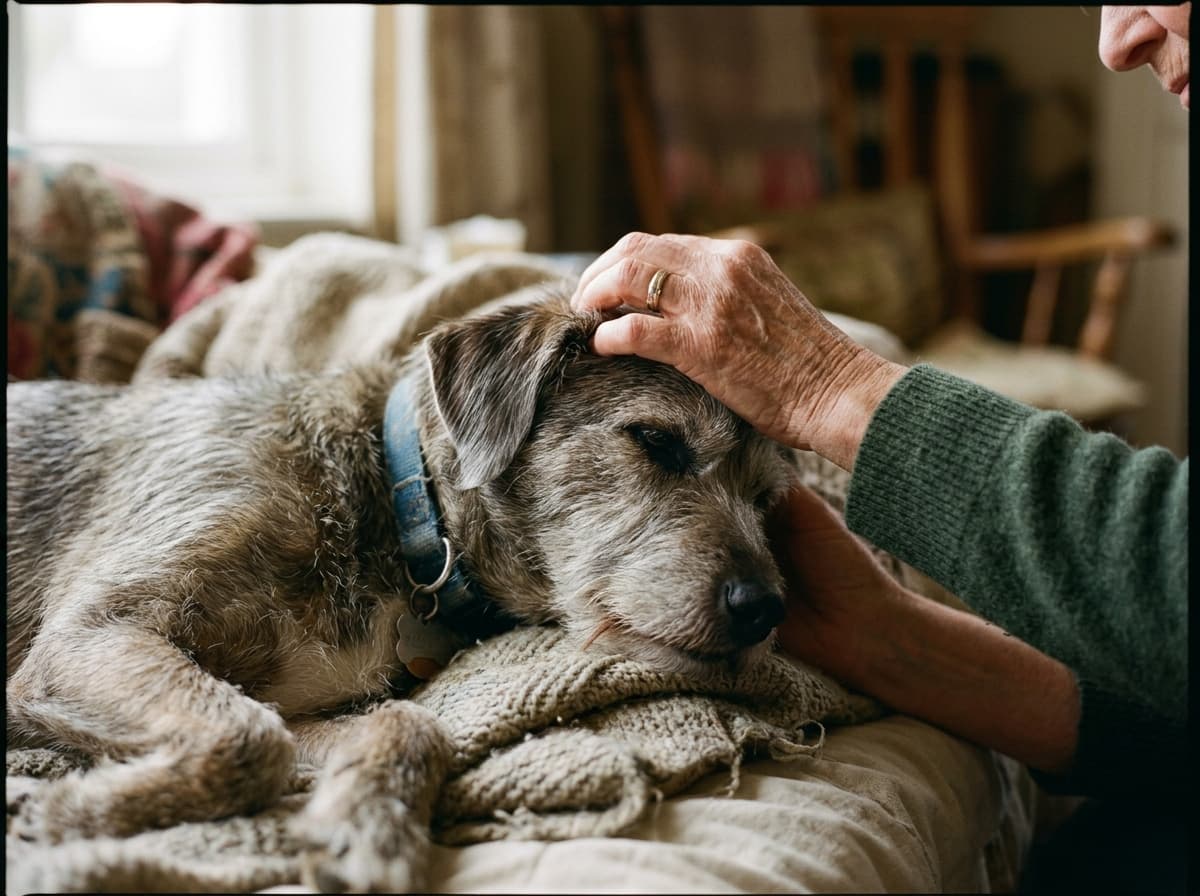
Illustrative image
Why some animals struggle in kennels.
Kennels are loud. Constant barking, strong cleaning smells, metal doors. Under that stress, a calm dog may spin, shut down or snap. Visitors then see a "difficult" dog that is really a scared one.
In a quiet room with regular meals, most animals start to relax. You get to see who they really are: how they sleep, their small habits, what makes them feel safe.
What it really takes: four phases.
The first quiet days
Days 1 to 3: the animal rests in a quiet room. The shelter would provide food, a crate, bedding and a vet check.
A routine and short notes
Weeks 1 to 3: you note what you see. The vacuum, toilet times, the crate, walks on the lead.
Vet visits and training
Take them to the vet for vaccines or neutering, and help with any training.
The handoff
You meet the new family, tell them what you know, and say goodbye. Your notes go with the animal.
What a foster would write down
No essays. A few quick ticks and short notes each day.
Settling in
- • Ignored kitchen vacuum cleaner (calm)
- • Barks when doorbell rings (alert, stops on recall)
- • Slept 7 hours quietly in crate with blanket
Out and about
- • Walks on loose leash along quiet residential streets
- • Mild fixation on passing squirrels (easily redirected with cheese)
- • Relaxed around visiting adult guests
Ready for a home
- • House-trained, uses the dog door
- • Noted: "Not tested with cats"
- • Favorite game: fetch with yellow squeaky ball
What we would ask shelters to cover
- Agreed vet visits, medicine and emergency vet bills.
- Starter food bag, crate, leash, harness, litter box, and food bowls.
- A named person to call with urgent questions.
What happens if it isn’t working?
Sometimes it does not work out. The animal is stressed by your dog, or cannot cope alone. That is fine, and nobody will blame you. We want every shelter to have a backup home ready to step in quickly.
Questions people ask
Could you foster for a few weeks?
A spare room and a few weeks can change an animal’s chances. Join the waitlist and tell us if you would foster this way.